landscape design
Saltwater-Tolerant Shrubs and Palms That Make Excellent Hedges
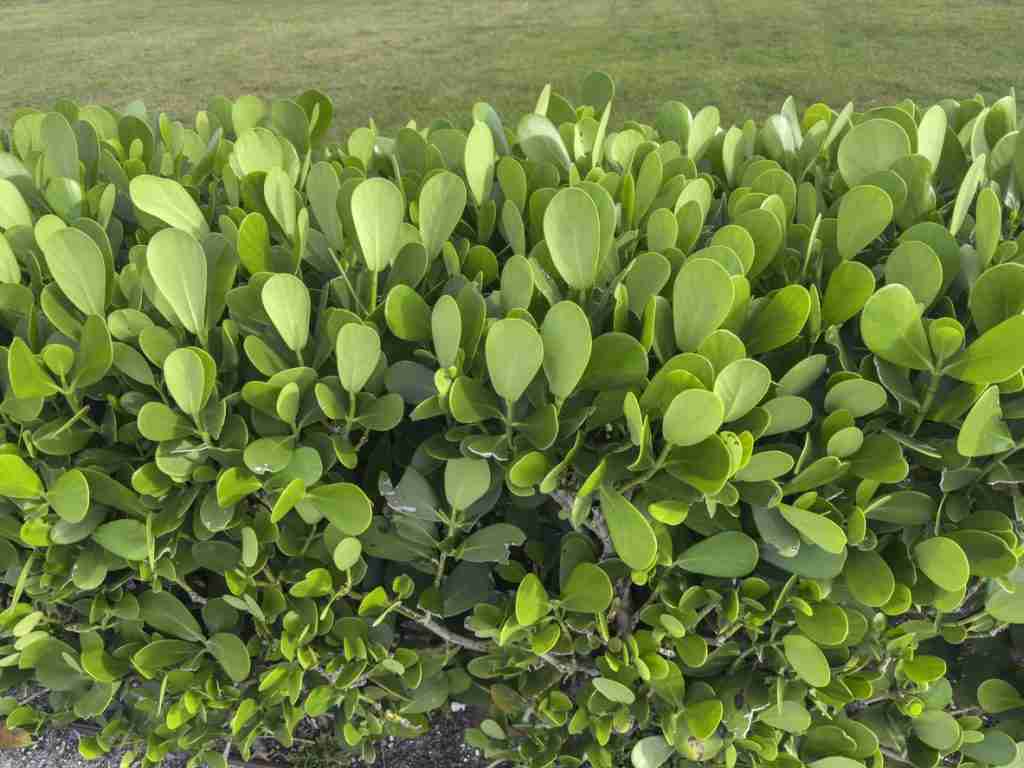
Landscaping near the ocean or along salt-influenced waterways presents unique challenges. Salt spray, sandy or alkaline soils, strong winds, and occasional flooding can quickly damage traditional hedge plants. For homeowners seeking privacy without constant replacement or maintenance, selecting saltwater-tolerant shrubs is essential. Fortunately, several proven plants thrive in coastal conditions while forming attractive, durable hedges. When paired with self-shedding palms, these plantings create privacy screens that are both functional and low maintenance.
Shrubs For The Coastal Climate
Clusia rosea
One of the most widely used salt-tolerant hedge plants is clusia (Clusia rosea). Often referred to as the "autograph tree," clusia is prized for its thick, leathery leaves that resist salt spray and drying winds. It grows densely and responds well to pruning, making it ideal for formal hedges and privacy walls. Clusia is also relatively clean, naturally shedding older leaves without producing excessive litter, which is especially valuable near pools, patios, and waterfront walkways.
Conocarpus erectus
Green buttonwood (Conocarpus erectus) is another exceptional choice for coastal hedging. A native shoreline species, it thrives in sandy soils and high-salt environments where many plants struggle. Green buttonwood can be maintained as a tall hedge or trained into a multi-stem screen. Its small leaves and strong structure make it highly wind resistant, and it is considered largely self-shedding, reducing ongoing maintenance in exposed locations.
Coccoloba uvifera
For properties seeking a more natural coastal appearance, sea grape (Coccoloba uvifera) is an iconic option. Commonly found along beaches and dunes, sea grape tolerates direct salt spray and intense sun. Its large, round leaves form a broad, effective privacy barrier when planted in rows. While sea grape does shed leaves periodically, it does so gradually and is well suited for wide hedges or informal screens that blend seamlessly with the surrounding coastal environment.
Ficus microcarpa
Green Island ficus (Ficus microcarpa 'Green Island') offers a compact, refined alternative for salt-influenced landscapes. This low-growing ficus variety is frequently used for clipped hedges due to its dense branching and small leaves. It tolerates salt air well once established and sheds older foliage gradually, helping maintain a tidy appearance with routine trimming.
Structured Layouts for Easy Care
A messy, undefined boundary between your lawn and your garden beds often leads to grass creeping into unwanted areas, increasing the workload for homeowners. Establishing clear, physical borders is a design secret that keeps a yard looking manicured with little effort. Using pavers or concrete curbing to separate turf from planting beds creates a "mow strip" that accommodates lawnmower wheels, eliminating the need for extensive string trimming. This structural element keeps mulch in place and grass out, maintaining the crisp lines of your landscape design and ensuring the overall aesthetic remains polished.
Adonidia merrillii & Wodyetia bifurcata
In addition to shrubs, many coastal landscapes benefit from incorporating self-shedding palms as vertical privacy elements. Christmas palms (Adonidia merrillii) and foxtail palms (Wodyetia bifurcata) are both considered self-cleaning, meaning old fronds drop naturally without the need for pruning. While palms do not form traditional hedges, they add height, screening, and visual interest without creating debris or blocking ocean breezes.
Salt-tolerant Hedges
When establishing salt-tolerant hedges, proper care is just as important as plant selection. Deep watering during the first year helps roots establish in sandy soils, while mulching conserves moisture and reduces salt stress. Pruning should be done selectively to encourage dense growth without over-stressing plants.
By choosing proven saltwater-tolerant shrubs like clusia, green buttonwood, sea grape, and Green Island ficus, paired with self-shedding palms such as Christmas and foxtail palms, coastal homeowners can create beautiful, resilient hedges that provide privacy while thriving in challenging waterfront conditions.
Ready To Begin Your Project?
At Outdoor Enhancements, we believe your yard should be both beautiful and effortless to maintain. By choosing proven saltwater-tolerant shrubs like clusia, green buttonwood, sea grape, and Green Island ficus, paired with self-shedding palms such as Christmas and foxtail palms, coastal homeowners can create beautiful, resilient hedges that provide privacy while thriving in challenging waterfront conditions. Contact Outdoor Enhancements today to start planning your low-maintenance transformation.