artificial turf
Artificial Turf vs. Natural Grass: Which Is Better for Your Yard?
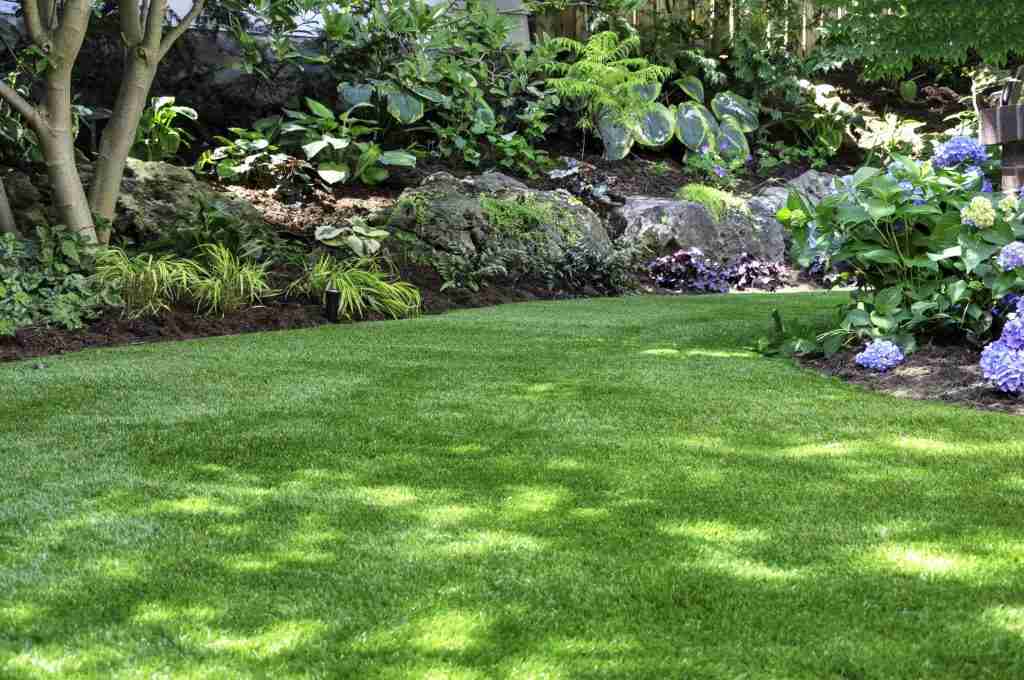
Deciding between a lush, natural lawn and a perfectly manicured, synthetic one is a big choice for any homeowner. Both options offer distinct benefits and drawbacks, and the right decision often comes down to your personal lifestyle, budget, and priorities. To help you weigh your options, let's explore the key differences between natural grass and artificial turf to determine which is the best fit for your home.
The Pros and Cons of a Natural Lawn
For generations, natural grass has been the standard for residential yards, and for good reason. It provides a soft, living ground cover that can feel great underfoot. It also contributes to the local ecosystem, providing a habitat for beneficial insects and helping to cool the surrounding environment through transpiration. However, maintaining a natural lawn is a significant commitment.
Maintenance, Water, and Upkeep
A natural lawn requires regular and ongoing maintenance. This includes mowing, fertilizing, weeding, and pest control, all of which take time and effort. In many climates, a natural lawn also demands a substantial amount of water to stay green and healthy, which can lead to high utility bills. Additionally, certain types of grass can be susceptible to diseases and pests, potentially requiring costly treatments to keep them from dying off. The constant upkeep is a primary reason many homeowners seek alternatives.
The Rise of Artificial Turf
In recent years, synthetic grass has emerged as a popular, low-maintenance alternative. Modern artificial turf is far more realistic than the hard, plastic-looking surfaces of the past. Today's products feature advanced materials that mimic the feel and appearance of real grass, making them an attractive option for both front and backyards.
Durability and Low Maintenance
One of the biggest advantages of fake grass is its durability. It can withstand heavy foot traffic from children and pets without developing bald spots or ruts. The need for constant maintenance is virtually eliminated; there's no mowing, weeding, or fertilizing required. This conservation approach saves homeowners both time and money while reducing water consumption. Astro turf is also incredibly versatile, making it suitable for areas where natural grass struggles to grow, such as shaded spots or small, hard-to-reach areas.
Upfront Costs and Heat Retention
The main drawback of fake grass is the initial installation cost, which is significantly higher than laying down sod. However, this upfront investment is often offset by long-term savings on water bills, lawn care products, and equipment. Another key consideration is heat retention; on hot days, astro turf can absorb and radiate heat more than natural grass. For yards in very sunny climates, it's essential to consider this factor and perhaps incorporate natural shade or a cooling system.
Which Is the Better Choice?
Choosing between natural grass and artificial turf depends on what you value most. If you enjoy the process of gardening, have the time for regular maintenance, and want a lawn that contributes to the natural environment, then natural grass may be the better option. However, if you are looking for a beautiful, low-maintenance lawn that saves water and time, and can handle consistent use, then fake grass is likely the superior choice. Whichever option you choose, you can look forward to a beautiful outdoor space that you can enjoy for years to come.
Ready To Upgrade Your Lawn?
Contact Outdoor Enhancements and talk to one of our specialized landscape designers today!